
The Daily Ardmoreite
Sunday, October 19, 1930
TEMPLE TO BE OPENED
SOUTHERN OKLAHOMA CITIZENS CORDIALLY INVITED TO ATTEND
Ardmore Masons Have Realized Dream
of Many Years in Building Home
That Will Make Ardmore the
Masonic Center of Southern Oklahoma
For 30 years Masons have lived in hopes that some day the fraternity in Southern Oklahoma, particularly in Ardmore, would have a home to which the entire district would point with pride and interest. They dreamed of a time when Ardmore would rightfully rank as the Masonic capital of the entire southern half of the state. They worked as they dreamed – ceaselessly, always buoyed up by the vision before them.
On Wednesday night, October 22, the realization of this dream will be duly observed and fully celebrated here in Ardmore. On that night the magnificent new Masonic temple, which has risen skyward on Broadway, will be formally opened to the public, and everyone in all Southern Oklahoma will be invited to inspect the building from basement to roof.
Preparations for a tremendous crowd are being made. Interest in the building has spread from one end of the county to the other. People have paused in their busy day’s work to gaze with admiration on the graceful structure and to query the workmen as to when it would be ready for the public to see and commend. The Masonic organizations – the two blue lodges, the two Eastern Star chapters, the Knights Templar, the Chapter, the Council and the Grotto – all will cooperate in the big public opening. Many members will be needed at the building to escort the visitors and explain the features of the fraternity’s new home.
Triumph in Design and Construction
The Masonic temple has five floors and basement. It cost close to $300,000 and represents the apex in modern architectural design and construction. Its graceful lines loom large on the city’s skyline and add much to the attractive view the stranger gets of Ardmore as the city first comes in sight.
Main entrance to the building is on Broadway. Huge double doors open into the lobby which in turn connects with the Grotto auditorium. Show windows of the Oklahoma Gas and Electric company, occupants of the ground floor, part of the basement and a section of the second floor, face onto this lobby. Elevators, two in number, of smooth, noiseless type, convey visitors upward.
A modern soda fountain also is operated in the lobby
The entrance to the O.G. & E. quarters, likewise opens off the lobby. The main entrance to the company’s commodious new home, however, consists of double doors centering a long expanse of show windows giving the passerby a sweeping view of the well lighted and tastefully decorated interior. The lobby of the O.G.& E. division of the building represents the most modern in artistic and efficient office designing and provides the patron with ample opportunity to inspect the accessories on display at their best advantage. The business offices of the company, including the entire district organization, occupy much of the available floor space. Offices are divided by Walnut panels. Connecting doors join the offices into an endless chair adding to the efficiency of the staff. Especially designed chandeliers bathe the entire floor in white light.
On the second floor, the company has a specially arranged suite of rooms to care for the booking and auditing departments. The basement houses a workshop and a completely equipped club and demonstration room. Club meetings will be held there in the future.
O.G.&E. to Cooperate
Charles Fahrney, district manager, has announced that the Oklahoma Gas and Electric company will cooperate whole-heartedly with the Masons in making the opening night all that it should be.
In the basement of the big building in addition to the space occupied by the electric concern, is housed the heating plant, water system and other engineering features.
Abundance of room is left and this will be eventually transformed into a club room for the members of the several fraternities. The Grotto will probably have charge of this feature. Pool and billiard tables, bowling alleys, domino tables, and other equipment is to be bought in the near future for this important division of the temple.
Auditorium Beautiful
On the first floor is also found the new Grotto auditorium seating 890. This new theater with its broad stage, comfortable seats, expensive equipment and exceptionally fine acoustics fill a long fill need in Ardmore for an extra public gathering place. This division of the temple was formally introduced to the public two weeks ago when the Ardmore Little Theater used it for the presentation of “Fast Workers.” It will be used regularly here-after for the presentation of special entertainment features requiring a modern, up to date, theater. It is under the direct use and supervision of the Ashmes Grotto.
Offices Well Designed
On the second floor the balcony of the auditorium and the projection booth will be found. The latter is not yet equipped but is designed to meet modern motion picture requirements and eventually may be placed in service, it is said. Surrounding the balcony are suits of offices, many of which are already occupied. The office suites are well designed, carefully arranged for convenience, lighted in modern fashion and tastefully finished. The third floor is devoted to offices and it seems quite likely that they will all be filled by Ardmore firms before the end of the year. This floor in particular is designed to serve needs of physicians and surgeons. One room is especially designed for x-ray purposes.
Rooms for Lodges
Fourth floor of the building is the first of the floors primarily designed for the use of the fraternity. Home of Ardmore Lodge No. 31, A.F. & A.M. and Eastern Star of that lodge occupy the Broadway frontage of the floor. A mammoth lodge room beautiful in the extreme, tastefully furnished and lighted, will serve this blue lodge and its auxiliary organizations, throughout the coming years. Beautiful carpets, draperies and furnishings make it one of the most interesting lodge rooms in the country.
On the A street wing of the building is found the room of Bruce Lodge No. 506. Just as beautiful and commodious , this lodge room is an entirely fitting part of the big temple. Use of different drapes different rugs and different lighting fixtures as well as furnishings provides Bruce with an individual and attractive lodge home equal to the best in all the southwest. Initial use of this magnificent lodge room a few nights ago attracted a record breaking crowd of Masons who were loud in their approval. Mattie Bruce chapter, Order of the Eastern Star, will share this comfortable home with the Masons. Attached to this and the other assembly hall is a small dining room and kitchenette suitable for small banquets and other entertainments. There are suitable ante rooms, supply chambers, offices, preparation rooms and lounge quarters as well as ample restrooms and other facilities. Wide hallways, elevator and stairways connect the floor with the rest of the building. Hardware especially designed for the Masonic fraternity is used throughout.
Knights Templar Room
On the fifth floor is located the Gothic hall of the Knights Templar. This is one of the most beautiful rooms in the entire temple. As large as the blue lodge rooms on the lower floor, this magnificent division of the temple with its peaked ceiling, arched windows and doors gives one the feeling of entering into a medieval castle. The entire room is built with an eye to the needs of Knight Templar ritual and should inspire a general reawakening in that organization. Adjoining it to the west are ante rooms, also planned to fill requirements for initiatory work in the Council and Chapter, interesting organizations in York Rite Masonry.
Large Banquet Room
The B Street wing is devoted to a huge banquet room which will also fill a long felt need. A modern kitchen is attached and it is the plan to equip this in every detail to provide Ardmore with a place where huge dinners can be adequately handled.
The room, too, will serve as a ball room. The floor is ideal and the size sufficient to care for almost any crowd and it will be much in demand for this purpose it is said.
Ante rooms, hallways and other quarters for the housing of the extensive properties used by the fraternity in carrying out its initiatory work consume the remainder of the space on this floor.
The entire building is fire-proof, built to stand the wear and tear of the centuries and designed for comfort and convenience.

In 1936 the first radio station in Ardmore went on the air. It was KVSO 1240 am on the dial. A friend of mine happened to be the man who helped install all the radio equipment that summer of ’36.
Q. What is the oldest white settlement in Oklahoma?
A. Jean Pierre Chouteau established the first permanent non-Indian settlement in Oklahoma near present-day Salina, Oklahoma
Some mail from this week’s MAILBAG…..
Interesting website about Central Airlines, which came to Ardmore and operated approximately 1951 to 1963. -George Pretty
- Founded in 1944 by Keith Hayes Kahle.
- Began scheduled operations in September 1949.
- Operated as a local service carrier in six states including Oklahoma.
- Merged with the original Frontier Airlines in October 1967.
- Never had a fatal accident during its years of operation.
- Operated aircraft such as Beechcraft Bonanzas, Douglas DC-3s, and Convair CV-240s/CV-600s.
https://www.okhistory.org/publications/enc/entry?entry=CE007
Keith Kahle Obituary
https://www.findagrave.com/memorial/185041213/keith-hayes-kahle
HAM Talk By Butch Bridges KC5JVT – Allstar node # 58735 – Echolink # 101960
The Arbuckle 97 Net is held every Sunday evening at 8:00pm Oklahoma time.


Below is from my newsletter archives dated
July 17, 2008 – Issue 599
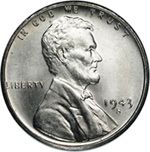
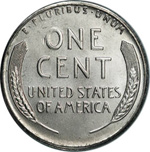
The Daily Ardmoreite, July 31, 1944. Dime Like Pennies Not to be Retired: Those unlovely and unloved dime-like pennies will continue to plague and embarrass you until they wear out or vanish. Production of the zinc-coated steel penny was halted the first of the year, but officials of the mint said today those already in circulation would not be retired. “They will wear out in a few years or just disappear,” one official explained. The idea behind the steel coin was the saving of copper, at the time critically scarce. The penny now being coined, which looks pretty much like the pre-war model, is being made from salvaged shell cases, plus some virgin copper.
https://oklahomahistory.net/ttphotos8a/SteelPenny1943a.jpg
https://oklahomahistory.net/ttphotos8a/SteelPenny1943b.jpg
Eric Dellinger at the Assessors office is fighting high gas prices as best he can, he purchased a little scooter. Takes me back when I was 14 years old in the 60s and my grandparents paid Cleve Steiwig (1918-1986) about the 1700 block of 3rd NE $100 for a used Sears and Roebuck Moped which I rode for 2 years. It was not anything like Eric’s 150cc scooter from VerdeMoto which goes about 60 MPH.

https://oklahomahistory.net/ttphotos8a/EricScooter071008.jpg

Speaking of sky high gas, I can see hope on the horizon. A company in France has been perfecting car Airpod that runs on compressed air, and the only emission is pure breathable air. What a concept. The inventor has been working on it since 1989 I believe.
https://newatlas.com/french-auto-runs-on-compressed-air-technology/3523/
But until those compressed air cars are available here in the U.S. I guess my next project might be to build a wind powered electric generator for around $200 as described below. This generator won’t run your entire house, but it will put out about 200 watts, enough to run a computer, or laptop, or charge batteries or cell phone.
http://www.mdpub.com/Wind_Turbine/
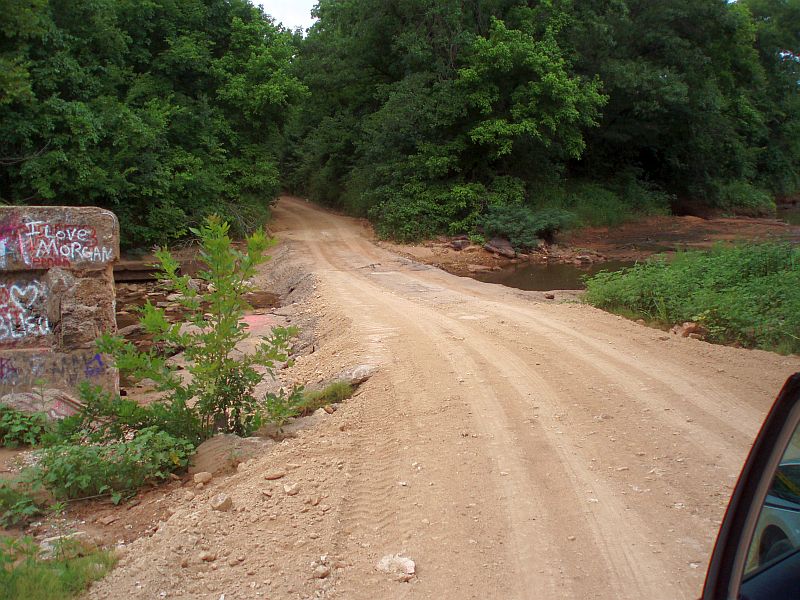
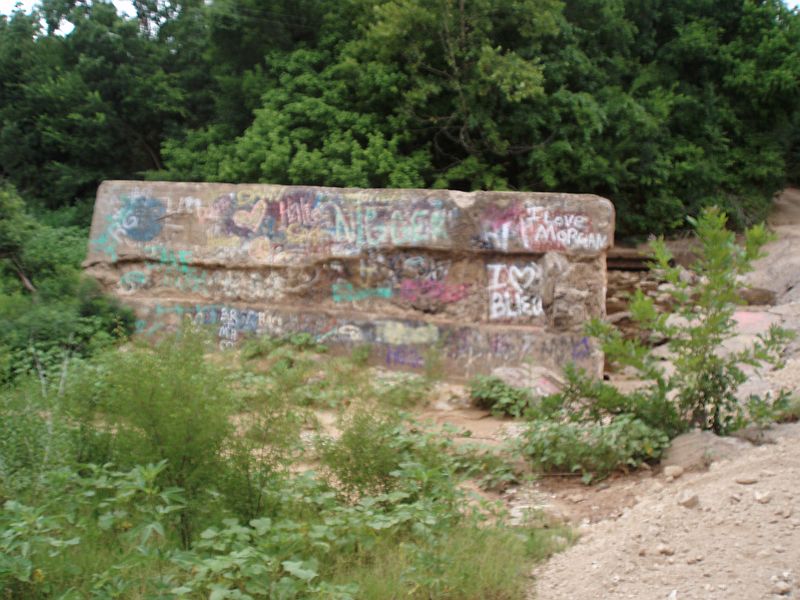
Jill and I were about 7 miles southwest of Lone Grove on Buckskin Road last weekend looking at some acreage. Traveling west on Buckskin Road we came to what everyone calls ‘Low Water Crossing‘. Actually there are 2 low water crossings, close together, on Buckskin, but the pictures below is the most prominent. The lesser one is on west of this one a short piece. I didn’t take pictures but you can tell you are in a very low spot of the county, the road is nearly completely covered with trees, vegetation, dark green everywhere, making quite a beautiful sight this time of the year.
https://oklahomahistory.net/ttphotos8a/LowWaterCrossing071308a.jpg
https://oklahomahistory.net/ttphotos8a/LowWaterCrossing071308b.jpg
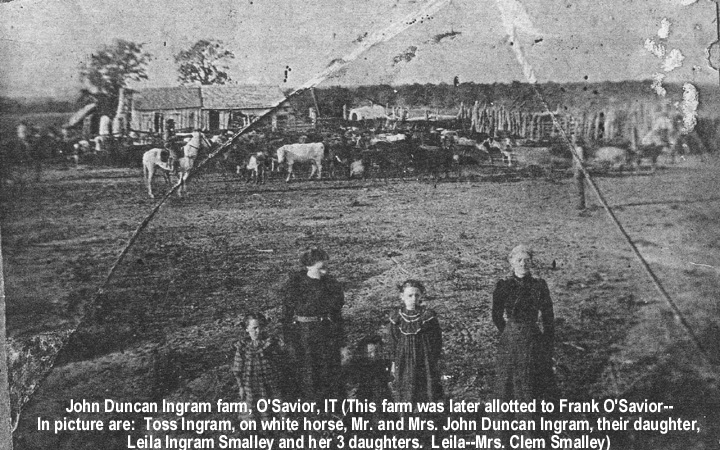
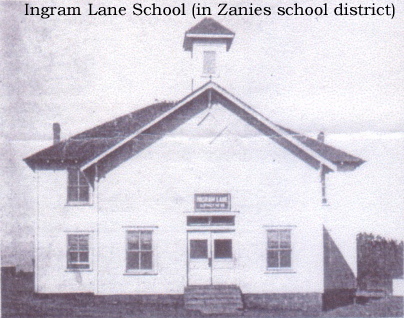
“Hi Butch, In the latest issue of “This and That” you indicate that someone has made an inquiry about the Ingram School in western Carter County. I can provide some information that might be helpful.
According to Ellen Ingram Hammonds, her great-grandfather, John Duncan Ingram, established the Ingram Lane School that was located somewhere south of Dundee. I do not have the exact date that it was established but, based on other information that Ellen Hammonds has provided me, it would appear that the school was established somewhere between 1903 and 1908. It probably was a “subscription” school as was so common before school districts were formally established after statehood.
John Duncan Ingram and his wife, Mary; along with their sons, James Henry (Toss) and W. P.; their three daughters, Adelia (Burden), Verona, and Leila (Smalley); Leila’s husband, Clem Smalley, and his brother Joseph Smalley; all settled in what later became the O’Savior community in western Love County in 1894. They moved there from Arkansas, perhaps by way of Texas. John Duncan and Mary settled on land that was later allotted to Frank O’Savior, and it was on this land that the O’Savior School was located in 1908.
Mary died in 1903 while the family was still living where they initially settled. Also W. P. died from measles while the family was at O’Savior. Sometime after Mary’s death, Leila and Clem Smalley, along with John Duncan, moved to Carter County, somewhere south of Dundee. By 1908 John Duncan was living in New Mexico
“Hi Butch, In the latest issue of “This and That” you indicate that someone has made an inquiry about the Ingram School in western Carter County. I can provide some information that might be helpful.
According to Ellen Ingram Hammonds, her great-grandfather, John Duncan Ingram, established the Ingram Lane School that was located somewhere south of Dundee. I do not have the exact date that it was established but, based on other information that Ellen Hammonds has provided me, it would appear that the school was established somewhere between 1903 and 1908. It probably was a “subscription” school as was so common before school districts were formally established after statehood.
John Duncan Ingram and his wife, Mary; along with their sons, James Henry (Toss) and W. P.; their three daughters, Adelia (Burden), Verona, and Leila (Smalley); Leila’s husband, Clem Smalley, and his brother Joseph Smalley; all settled in what later became the O’Savior community in western Love County in 1894. They moved there from Arkansas, perhaps by way of Texas. John Duncan and Mary settled on land that was later allotted to Frank O’Savior, and it was on this land that the O’Savior School was located in 1908.
Mary died in 1903 while the family was still living where they initially settled. Also W. P. died from measles while the family was at O’Savior. Sometime after Mary’s death, Leila and Clem Smalley, along with John Duncan, moved to Carter County, somewhere south of Dundee. By 1908 John Duncan was living in New Mexico.
Attached is a picture of some of the Ingram and Smalley families taken on their farm that later became the Frank O’Savior property. Also attached is a picture of the Ingram Lane School.” –Charles Walker, Fort Lauderdale, Florida
https://oklahomahistory.net/ttphotos8a/JohnDuncanIngramFarm.jpg
https://oklahomahistory.net/ttphotos8a/IngramLaneSchool.jpg
“Hey Butch.. I see where Lee Thompson went on vacation and bought her a Rhythm Clock. They are neat. There is another one that is called Melodies in Motion made by Seiko. I saw them on vacation in Eureka Springs, AR, however you can purchase both of them locally. Musgrove Jewelry on Broadway carries them.”
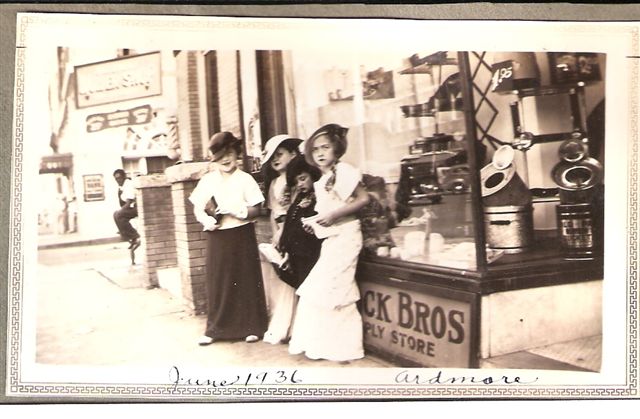
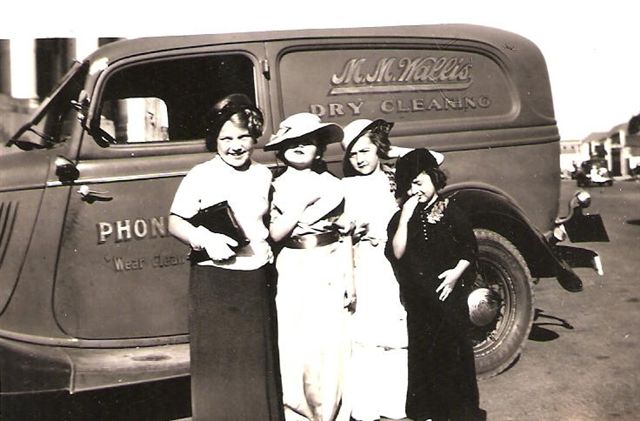
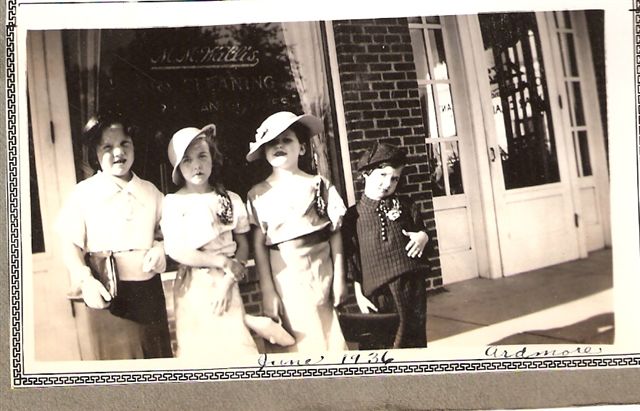
“Dear Butch and Jill, I was so pleased to see the postcard photos in the last T&T. The Belleview pics brought back lots of great memories of growing up on Vinita Street in Sulphur and swimming at Belleview. The picture that really fascinated me was the hairpin curve in the Arbuckle Mountains. I’ve never before seen a picture of that scene. My mother, Helen Landrum Rose, and I drove over that treacherous road many times on our way to Ardmore to visit her sister, Joyce Landrum Wallis. On one occasion, in summer (probably 1939), we stopped along that road because there were thousands of black-eyed susans growing everywhere. We picked a huge bouquet to take to Aunt Joyce for her club meeting at her house. When we presented them, we found out that her club had planted all those wonderful yellow flowers as a beautification project. We were pretty red-faced about it all. Aunt Joyce had no children but she treated nieces to little vacations at her house in the summer. The pictures I’ve enclosed are from one of those visits. Aunt Joyce provided dress-up clothes for my cousins and me and took us to town for a treat at the drugstore and to look in the windows of the stores and generally parade up and down the main street (Broadway?). In this picture we are posed in front of the delivery truck of Uncle Milze’s cleaning plant. Ah, the good old days!” -Rose Marie Rose Pfeiffer
https://oklahomahistory.net/ttphotos8a/Ardmore1936a.jpg
https://oklahomahistory.net/ttphotos8a/WallisDryCleaning08a.jpg
https://oklahomahistory.net/ttphotos8a/WallisDryCleaning08b.jpg
“I was born in Ardmore in 1949. My grandfather, Royce Coe, was Fire Chief and later museum keeper at Tucker Tower. I had the best greasy hamburgers at the Hamburger Inn.” -Jan
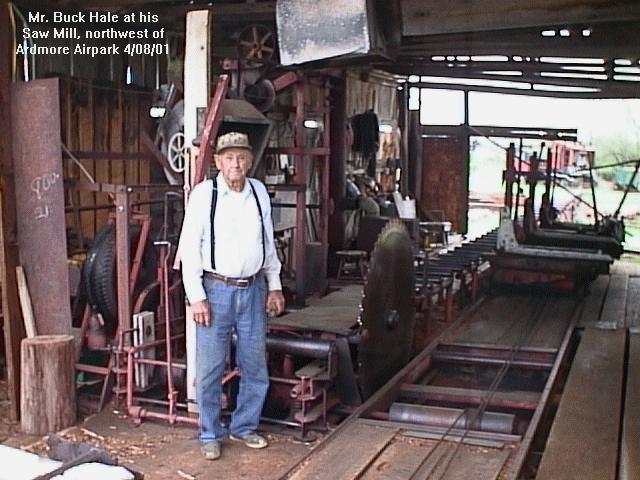
“Butch, Many months ago you had asked me for information about Buck Hale and his one-man saw mill at Gene Autry. Many people out there will remember buying lumber out there. He was in the saw mill business from 1934 to 1991. During that time also he worked 19 years at Big Canyon, Oklahoma for Dolese Brothers’ rock crusher.” -Charlie Hale
https://oklahomahistory.net/ttphotos8a/BuckHale08.jpg
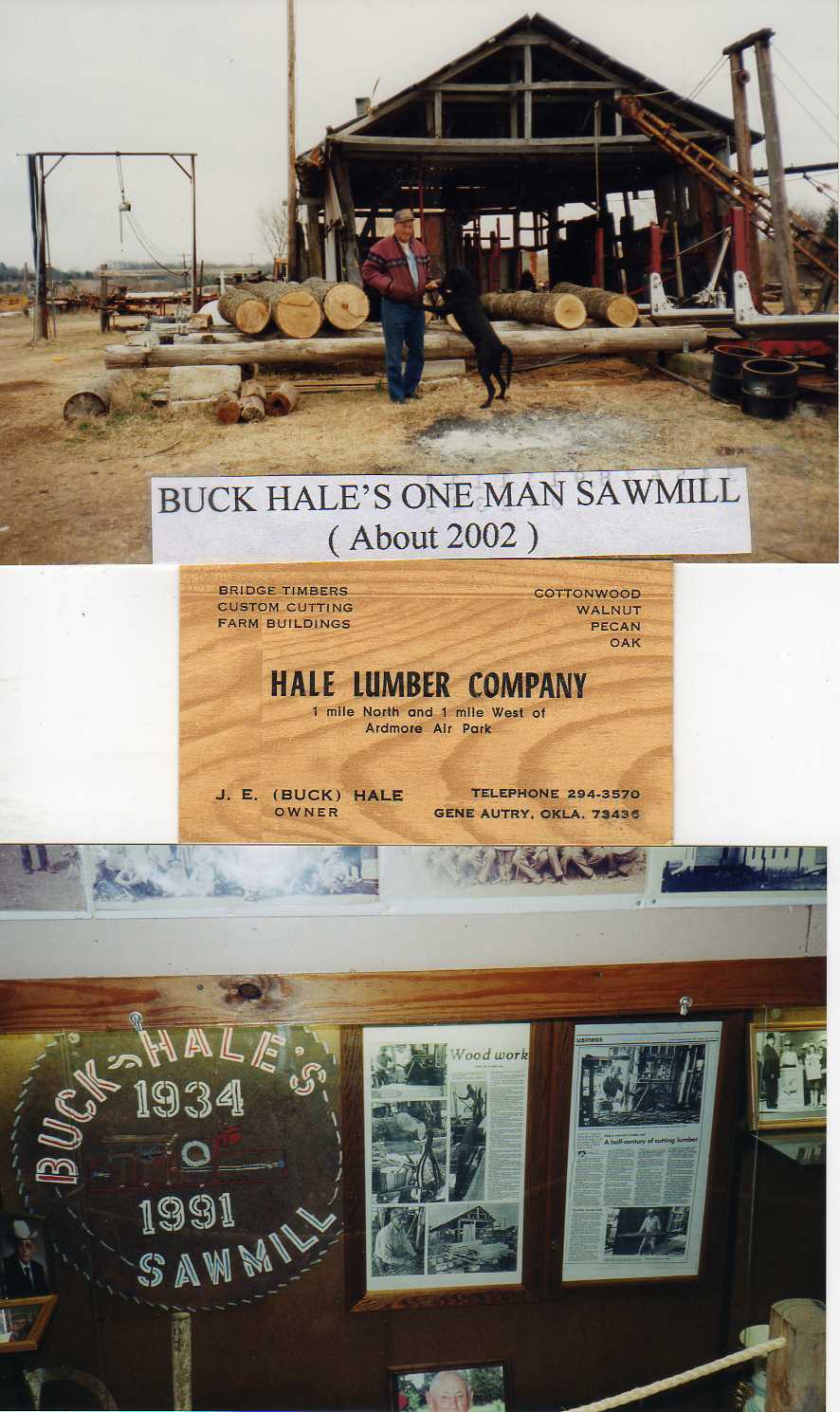
https://oklahomahistory.net/ttphotos15b/BuckHale5.jpg
“Dear Friend Butch, I will tell you of the origin of the Woodin Nickles. In 1933 under Franklin D. Roosevelt, William H. Woodin of New York was the Secretary of the Treasury. It became quite popular to say, ?Don?t take any Woodin nickels? I was a Junior in High School at the time, and really it was quite popular in school . Some wiseacre came up with the idea I guess. Instead of saying goodbye or something like that it was popular to use the expression about the woodin nickels.” –Kenneth Eck, Healdton 1917-2018

“Butch, I found this etching on a large rock which is located in the Ardmore Regional Park. As best I can read it says: Bill Gamel Feb 1904. Does this name mean anything to anybody? It could just be a prank. There is also a name: “Fred Pyeatt” etched on a rock nearby. Thanks, I enjoy reading T&T and it occurred to me that someone may know some history about Bill Gamel.” -D. B. Edwards – Ardmore


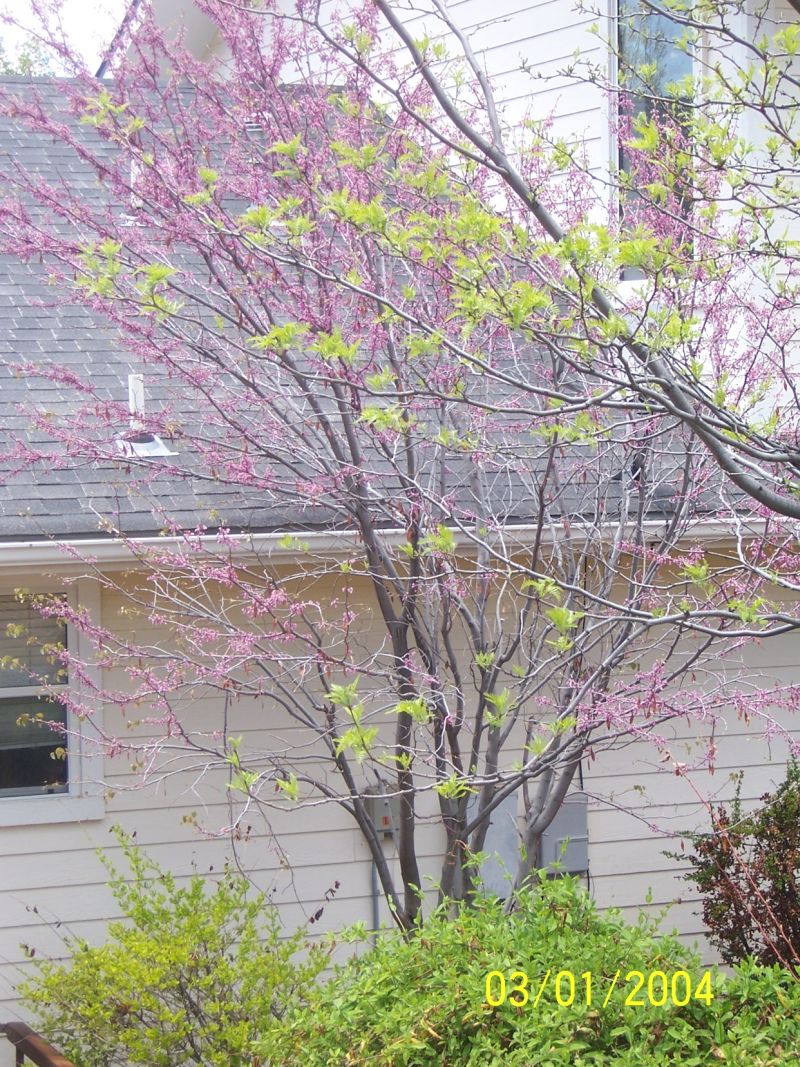
“Greetings from Colorado, Butch, in anticipation of the Oklahoma state tree I have attached a picture of one I planted at 6800 feet altitude, in 1992ish, Durango, CO. As you can see it has done well! My dad 90 year old dad, Frank Welcher, still lives in Healdton and while I was staying with him after hip replacement surgery last spring I was able to see the trees begin to leaf out; what a pleasure. So much so I came back home to Colorado and planted seven more! Hope they do as well as the first one.
I enjoyed the post card picture of the Turner Falls hairpin curve. My first remembrance of the road is about 1950 and I can remember my folks pointing out the curve and how dangerous the road was and even the wrecks of past accidents there on the mountainside. When I moved to Colorado I did not think the Arbuckle road was quite as impressive as Wolf Creek Pass. Years before the old timers say here that they always traveled in-tandum with other vehicle so that they could pull each other over Wolf Creek. The Arbuckles are still the best memory though! Enjoying your Carter county website.” -John Welcher https://oklahomahistory.net/ttphotos8a/RedBudTreeCO.jpg
In Those Oklahoma Hills by Woody and Jack Guthrie
Many a month has come and gone
Since I’ve wandered from my home
In those Oklahoma hills
Where I was born
Many a page of my life has turned
Many lessons I have learned
And I feel like in those hills
Where I belong
Rewritten in 1945 by Jack Guthrie
OKLAHOMA HILLS by JACK GUTHRIE
See everyone next week!
Butch and Jill Bridges
Ardmore, Oklahoma
580-490-6823
https://oklahomahistory.net