
John Henry Rutledge and wife, Lillie Magnolia White Rutledge, lived in the Halletsville-Rosebud, Texas area where the Rutledges had lived for many years. The recollections of their eldest son were of the family living in Denison, Texas, where John Henry was a brakeman on the railroad.
Following an accident resulting in a badly broken foot, John Rutledge bought two mules and moved to Wapanucka, Indian Territory where he started a successful farming venture. With him was old “Doc” a former salve of John’s father.
Later, John and a man called Roundtree went to Paducah to investigate agricultural reports of one and a half bales of cotton to an acre. In the Fall, the two families settled on a section of land the men had bought. The following year the land was broken and planted in cotton, kaffir corn and maize. Rains were delayed for 18 months. The seed sent up shoots in the Fall of the year. High winds cut down the cotton, and the grains died at about the height of 15 inches. Financially ruined, the families began the return trip to East Texas.
In the Rutledge family there were Felix, Myrtle, Jessie, and Charlie and the baby, Leona. They arrived in Ardmore, Oklahoma where they stopped at the Central Wagon Yard, west of what is now Central Park. There they spend the winter. John suffered from rheumatism, found it impossible to work.
The City of Ardmore was hiring teams for building of city streets in 1908. Felix, now a large boy of twelve, became the driver of the family team. His team was placed between two other teams to prevent a runaway, and he began to earn the family a living.
After the job was completed, the family moved into a house on Main Street, three blocks west of the wagon yard. In all, the family had been in Ardmore for about a year before finding the five acres on Park Street S.E. which became the family home for three generations. It was here that Mary, Joseph Floyd, Modene, Gladys, Helen and Dorothy were born.
As the boys grew, they helped their dad in farming and working a place of one hundred sixty acres belonging to a Mr. Poland on Caddo Creek, 14 miles north of Ardmore where cattle, alfalfa and hogs were raised. Later they found work gathering milk cows in the city and driving them to the pasture on the home place, returning them at milking time. The boys were paid in silver dollars which their mother kept in a wash pan. Mary, the youngest, found them great fun to play with.
John held a lifetime lease on the Anderson property from Park Street to the section line now known as “P” Street. This area included that property now occupied by the Chickasaw Housing Project at 4th and Park.
John Rutledge and “Cap” Wittingham gave land for the building of Park Street to enable the school children’s bus to pick them up. Later, pecan trees lined the east side of Park Street, running the length of the Rutledge property. It was here that John and Lillie lived and died. In 1977, that area now occupied by the Sunshine Industries, Incorporated Training Center for handicapped citizens, was given in memory of John H. and Lillie Rutledge who spent a lifetime helping others less fortunate than themselves. -from the Indian Territory and Carter County Pioneers Book 1983.
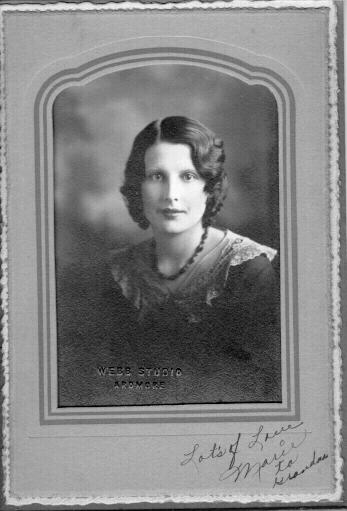
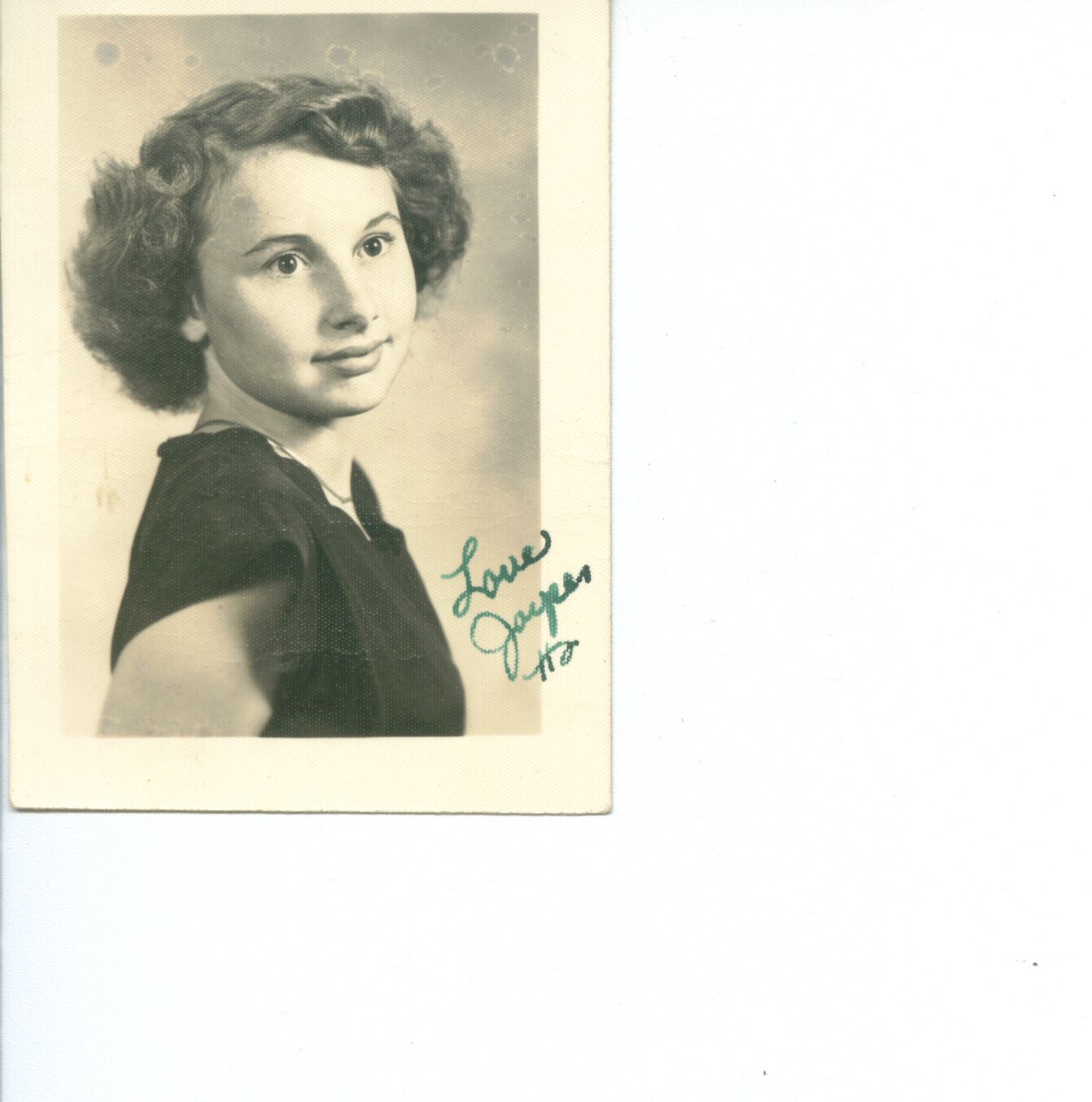
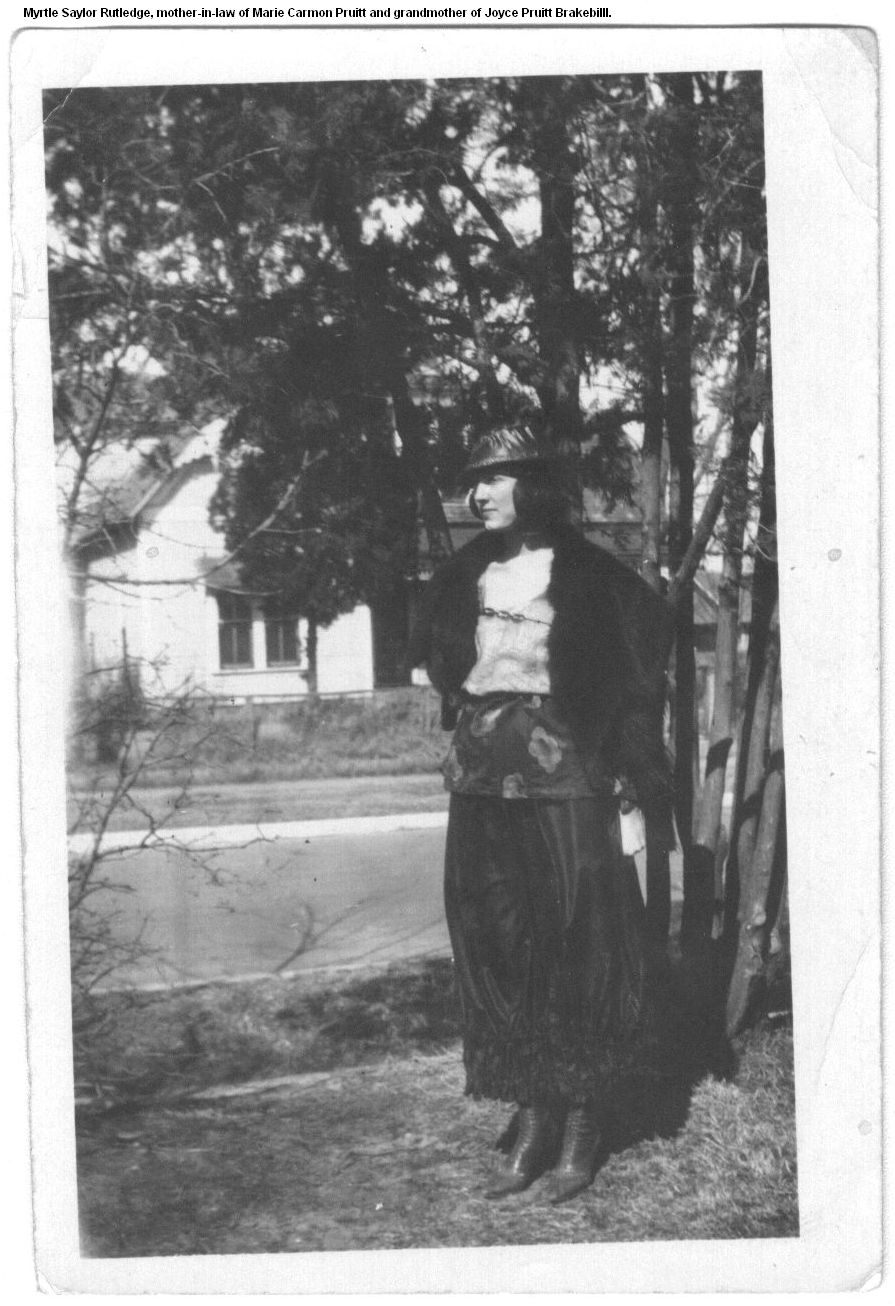
And now some added history: My aunt, Marie Carmon Pruitt, for a short period of time was married into the Rutledge family to a Harlan McGuire Boyd, which produced a daughter, Joyce Boyd Brakebill. Though Marie’s first marriage did not last but a short time, I remember as a youngster visiting the Rutledge place at Park and Springdale Road. Myrtle Saylor Rutledge (husband was Jessie Lee Rutledge) owned a black with red trim 1954 or 1955 Chrysler New Yorker sedan and the air conditioning went out on it, this would have been about 1967. Myrtle Rutledge brought the car to me to repair the air conditioning since I did that kind of work, and I remember sitting in the back seat of that car, and how big it was, huge in my eyes.
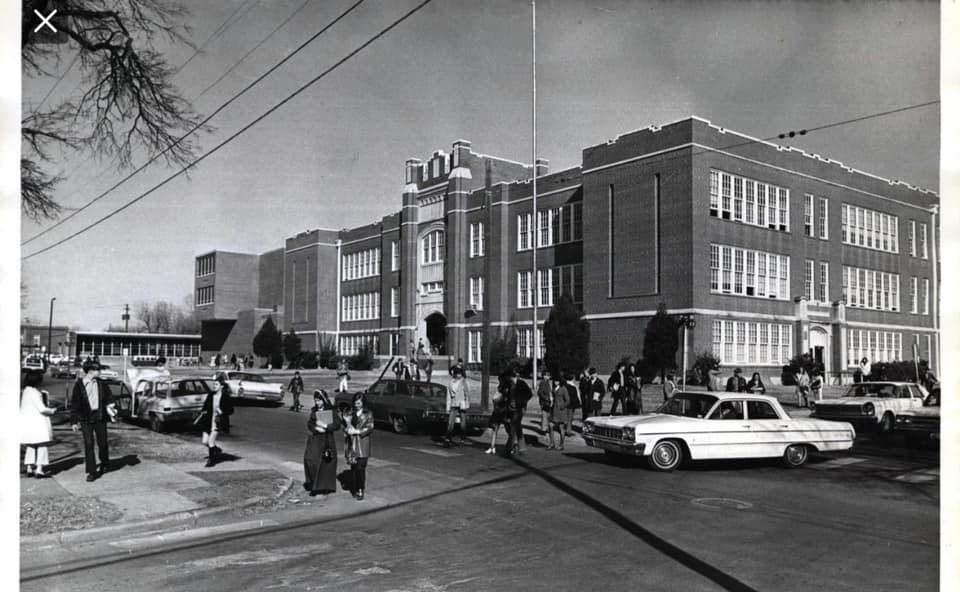
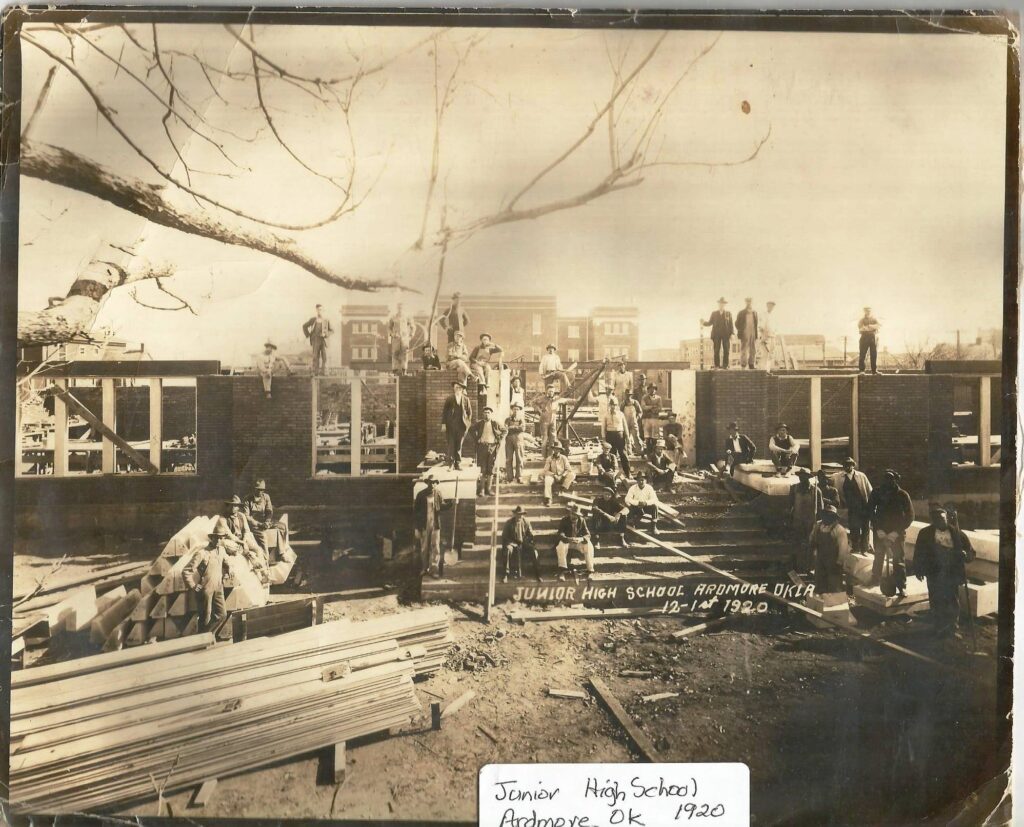
Picture above is Ardmore Junior High School circa 1960 located on A street NW between 2nd and 3rd NW. Demolished in 1983-1984.
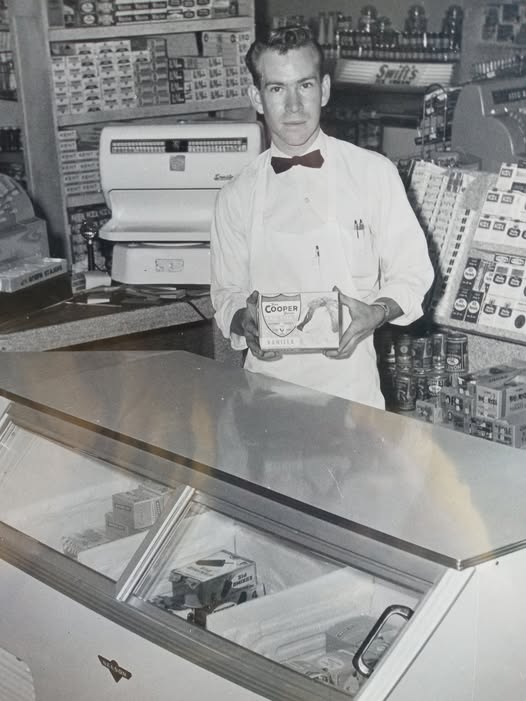
Above picture is Lon Chaney working at Pratts Grocery on 100 block of A Street NE (Caddo).
Below is a picture of Bob Boykin when he worked at KVSO radio in Ardmore in 1976. Sad there is $6,642 in unclaimed insurance in his name at the state treasurers office in OKC and no one to claim it. Bob had no surviving kin.
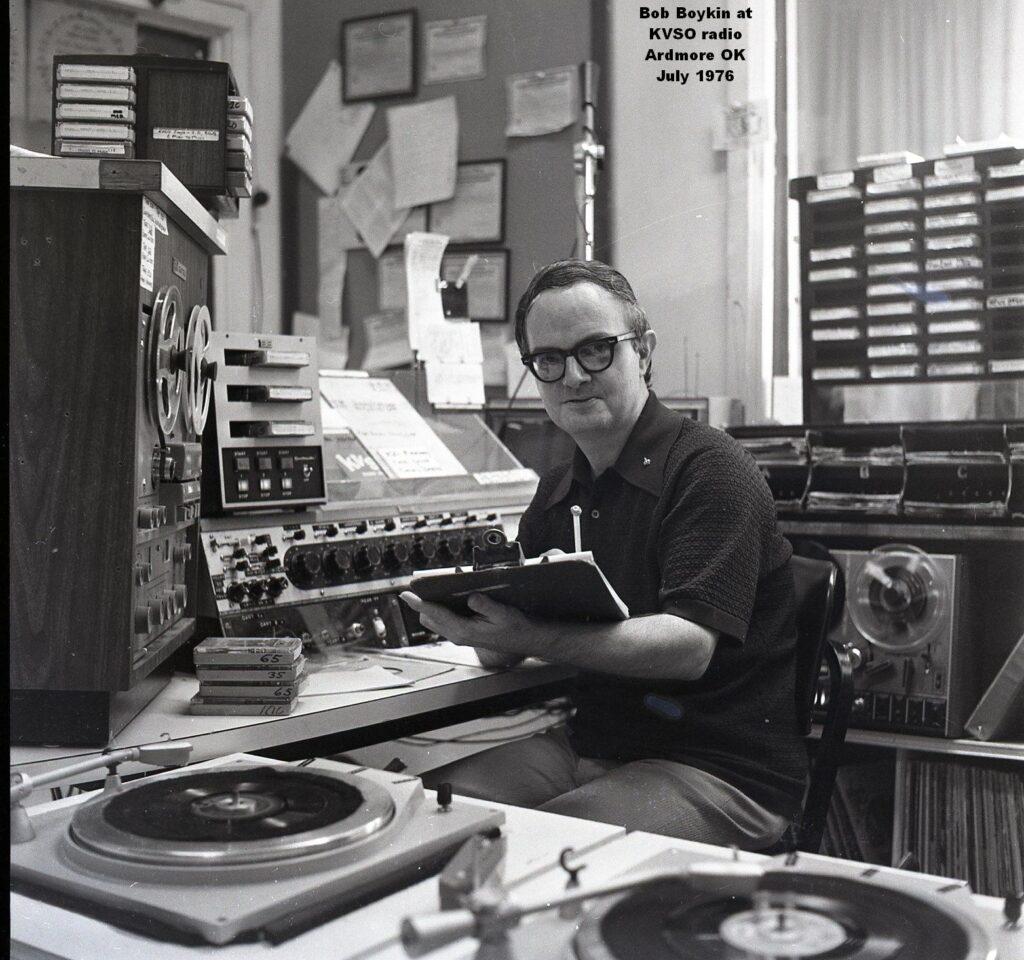
Bob Boykin on Find-A-Grave https://www.findagrave.com/memorial/46656680/robert-m-boykin
1923 – South Side Studio, Babies and School Work a Specialty, 7 1/2 South Washington, at rear of State National Bank, Mrs Stevens, Proprietor, Ardmore, Oklahoma
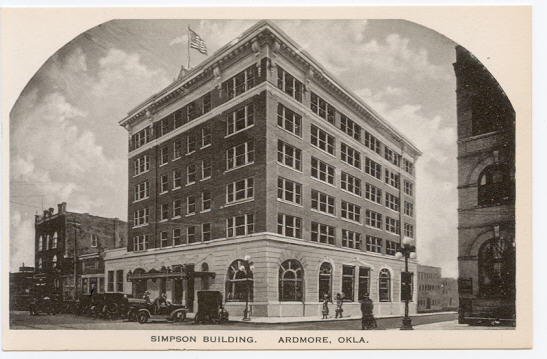
1923- Ardmore Pharmacy, 10-12 Simpson Building, Ardmore, Oklahoma
1923- New England Cafeteria, 232 West Main, Ardmore, Oklahoma
1923 – Drs Shackleford, Practicing Osteopathy and E.R.A. (Electronic Reaction to Abrams), 320 North Washington, Ardmore, Oklahoma
1923 – Cornelia E. Washington (1868-1924), Principal, Washington School (2nd Ward School), Ardmore, Oklahoma
1923 – It Pays To Own a Hupmobile. Hudge-James Motor Co, Ardmore, Oklahoma
http://en.wikipedia.org/wiki/Hupmobile
1923 – Brown Printing Company, owners Herschel T. Nisbett (1879 -1949) and Richard B. Brown, 6 East Main, Ardmore, Oklahoma
1923 – Excelsior Laundry, Max W. Whittington, owner, 16 years successful business in Ardmore, Oklahoma
1923 – Carroll’s Cafe, 11 North Washington, J. C. Carroll, owner
1923 – Ardmore Abstract Company, W.S. Wolverton and Son, oldest abstract company in southern Oklahoma., 22 years of continuous business, Ardmore, Oklahoma
1923 – Ardmore Wall Paper and Paint Company, owner Theo Torgerson (1859-1946) opposite Ardmore Hotel at 304 West Main, Ardmore, Oklahoma
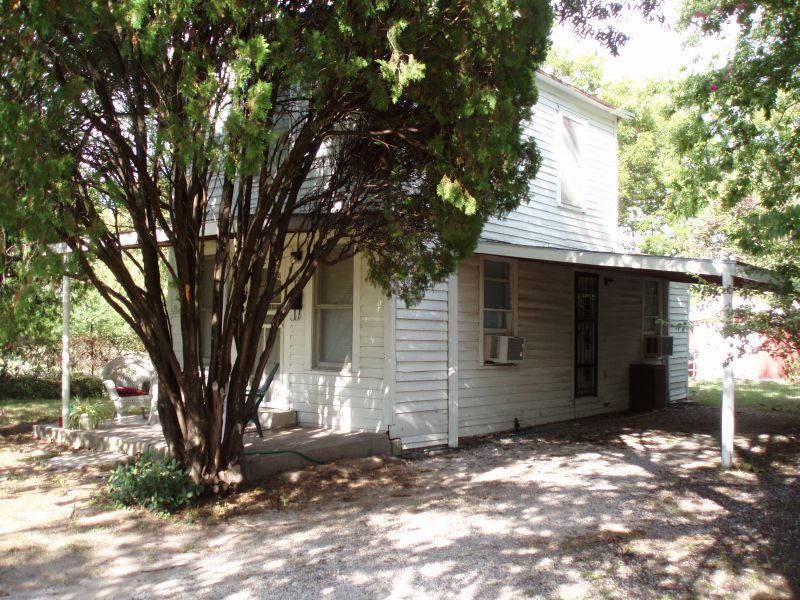
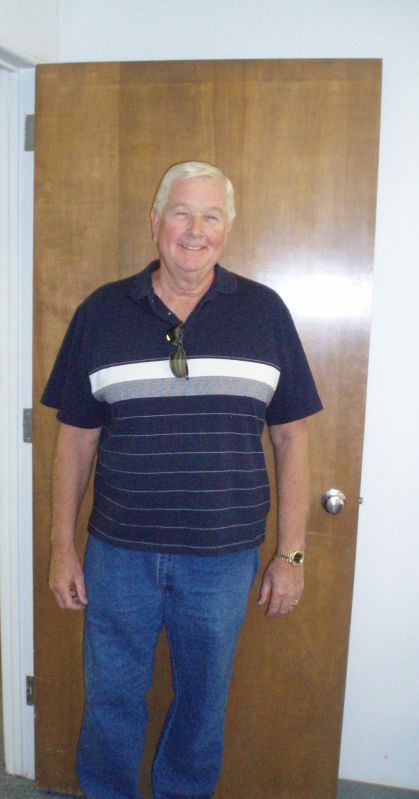
In last week’s T&T we posted a picture of the old railroad bunkhouse located at 4th and F NW. I had a visitor drop by this week to tell me he was born in that very house. Jim Rozzell told me he was born in the house many moons ago. They moved when he was about 3 or 4 years old, so he doesn’t remember anything about Effie Sparks old home. As the saying goes, it’s a small world.
https://oklahomahistory.net/ttphotos8a/JimRozzell090508.jpg
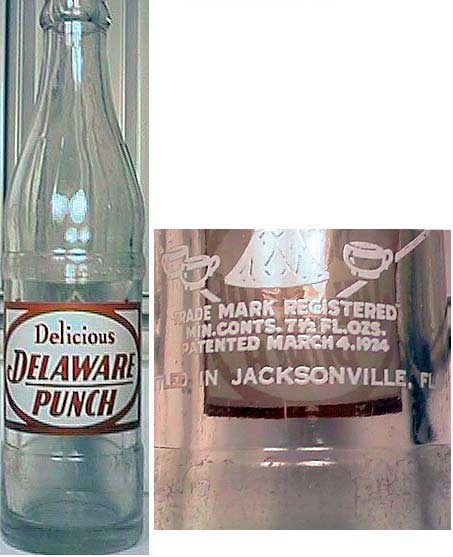
“Yes! Delaware Punch! It was bottled by the Dr Pepper plant in Ardmore. Also, they bottled a drink called B-1 Lemon and Lime Soda. Anyone remember it? It was a competitor to 7-Up. Before B-1, Dr Pepper also bottled 7-Up. I don’t know why it was dropped and later replaced with B-1.” -Bill Bow
https://oklahomahistory.net/ttphotos8a/DelawarePunch.jpg
“Butch, Last week Ardmore lost a very special person in a motorcycle accident. Robert Hightower was a minister and a lawmen of many years. He had been the associate pastor at the First Baptist of Armoire and had opened a new church to reach many lost souls that who had not found God in their life. Robert was a friend to all and help change many people and their lives. The Ardmore Police Department had an Honor Guard for his service. Ardmore has lost a great friend to all. Robert told me one time “Bind up close together and let God enable us to help one another on our earthly journey”. -Larry Martin, Florida
“Butch I saw todays Oklahoma History where it showed the Super Dog drive-in in Ardmore. I worked there in the 50’s when I lived in Ardmore and was in my teens and handling all those hotdogs would turn my hands red with the dye they used back then in the hot dogs. To this day I can’t eat a hotdog. The smell is still with me. We had to put the dogs on the sticks first to ready them for the batter and to fry as ordered. The picture brought back old memories.”
Grady the Cow (c. 1943 – July, 1961) became famous for being the 1,200-pound cow stuck inside a storage silo on a farm in Yukon, Oklahoma in 1949.
http://en.wikipedia.org/wiki/Grady_the_Cow
Some mail from this week’s MAILBAG…..
Hey Butch,
I suspect you probably already know all this, but I thought I’d share my experiences with computer stuff.
My son Elijah is a professional A/V tech magician, so he has showed some stuff. I work with windows at my job, and when we upgrade computers, it is like you described, and long and aggravating mess, and when it is all done, there is still stuff that haven’t and won’t migrate.
I’ve always used Apple products at home and when I upgraded my old MacBook Pro to this newer one I was moaning and groaning thinking it was going to be the same frustrating mess. My son came over, took my old laptop and hooked it to my newer one with a thunderbolt cable. The computer has an internal Migration Assistant, you just engage and it basically copies your old hard drive to the new one, log ins, passwords and all. Then you can tell it to wipe clean the old drive.
I was just goofing around with one of the old pics on your newsletter and tossed it in Preview and diddled it for a couple minutes, and it came out of the washing machine clean! -Skip
HAM Talk By Butch Bridges KC5JVT – Allstar node # 58735 – Echolink # 101960
Still looking for more HAMs to check in on Sunday night at 8:00pm.


Below is from my newsletter archives dated
September 11, 2008 – Issue 607
I do remember Mrs. Dorothy Osborn very well. She taught English IV and Speech at Ardmore High School a couple of years in the 60’s before they moved to Colorado. She was a fine lady and such a wonderful teacher. I have heard she taught some back in the 50’s at the High School, and I wonder how many remember her.?” -J James
“Hi Butch, Some of your T&T readers might remember this. I got this in an email. I had forgotten all about it but I remember when it happened. ” -Roy Miller, Okc
Grady the Cow (c. 1943 – July, 1961) became famous for being the 1,200-pound cow stuck inside a storage silo on a farm in Yukon, Oklahoma in 1949.
http://en.wikipedia.org/wiki/Grady_the_Cow
The Ringling Road
The Ringling Road was the railroad line that started in Ardmore and
went across Southern Oklahoma to Lawton. The name of the railroad
company was the Oklahoma, New Mexico and Pacific Railway Co. and the
company was controlled by John Ringling of the famous Ringling Brothers,
Barnum and Bailey Circus.
Construction on this new line began on May 1, 1913 in Ardmore, OK.
The line passed through Lone Grove, Hewitt and New Wilson with the end of the line being finished in Ringling by January of 1914.
At first it was thought the depot for this area would be in the town
of Hewitt. At the time, Hewitt was a thriving community with a school, a
bank, a newspaper and several churches along with a dozen or so
businesses, but the Hewitt plan did not work out. The depot was,
instead, established in “New Wilson”, which was named after John
Ringling’s secretary, Charles Wilson, although there are rumors that it
may have been named after President Wilson.
New Wilson was quickly platted and lots sold rapidly. The people of
Hewitt had the foresight to see a greater potential for commerce in New
Wilson and most of them literally picked up and moved their homes and
businesses to New Wilson.
To add to the excitement of a new railroad line, a new town and a new
depot, the oil fields had just begun to boom in Carter County. The
Ringling Road, which was originally planned for the purpose of serving
farmers in the area, was soon serving the oil companies as well.
By January 11, 1914 Wilson had a population of 800 people, but even
more mules and horses. The mules and horses served as teams to transport oil field pipe and equipment from the train to the outlying oil fields. There were approximately 500 teams of mules and horses in or near Wilson that were used for this purpose.
Don’t count your chickens before they hatch
Butch and Jill Bridges
Ardmore, Oklahoma
580-490-6823
https://oklahomahistory.net