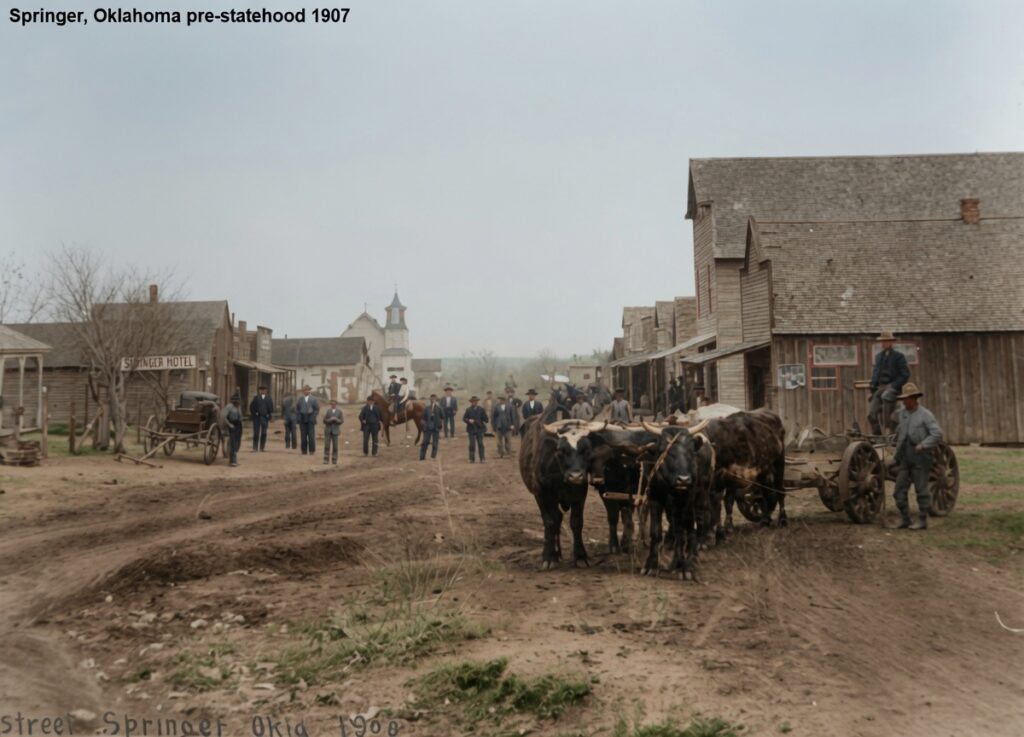
Springer, Oklahoma is a small incorporated town in northern Carter County, Oklahoma, located about 15 miles north of Ardmore (the county seat) along U.S. Highway 77, near Interstate 35 and the southern edge of the Arbuckle Mountains.
Founding and Early History
The area was originally part of Pickens County in the Chickasaw Nation, Indian Territory. A post office opened on September 1, 1890, named for W.A. Springer, a pioneer cattle rancher and cattleman in the region.
Early Springer developed as a rural farming community with pioneer families from Carter County. The first store (likely by Jim Rushing) was east of town along Buzzard Creek. An early farmer named Fox worked land near the Arbuckle Mountains. By around 1907 (Oklahoma statehood), a public school was built. Other early businesses included Arnold’s Hotel and general stores.
The nearest railroad was the Gulf, Colorado and Santa Fe Railway at Berwyn (now Gene Autry), about six miles east. In 1910, a major fire started in the post office and threatened the town; residents used dynamite to create a firebreak, but it destroyed several Main Street businesses, including the post office, a general store, a blacksmith shop, and an IOOF (fraternal order) building.
20th Century Development and Challenges
Like many small rural Oklahoma towns, Springer remained modest. Population estimates were around 175 in 1901 and 225 circa 1910. By 1923, it had a few stores, a post office, and the school.
Modern Springer
Springer has remained a quiet rural community with active institutions into the 21st century: the post office, a few stores, several churches, ranches, farms, and the Springer school system. It has no known newspaper of its own. The town spans roughly 14–15 square miles, mostly land, with some water, and sits in a scenic area near the Arbuckles. It is part of the Ardmore Micropolitan Statistical Area and retains a small-town character focused on local services, education, and agriculture/ranching.
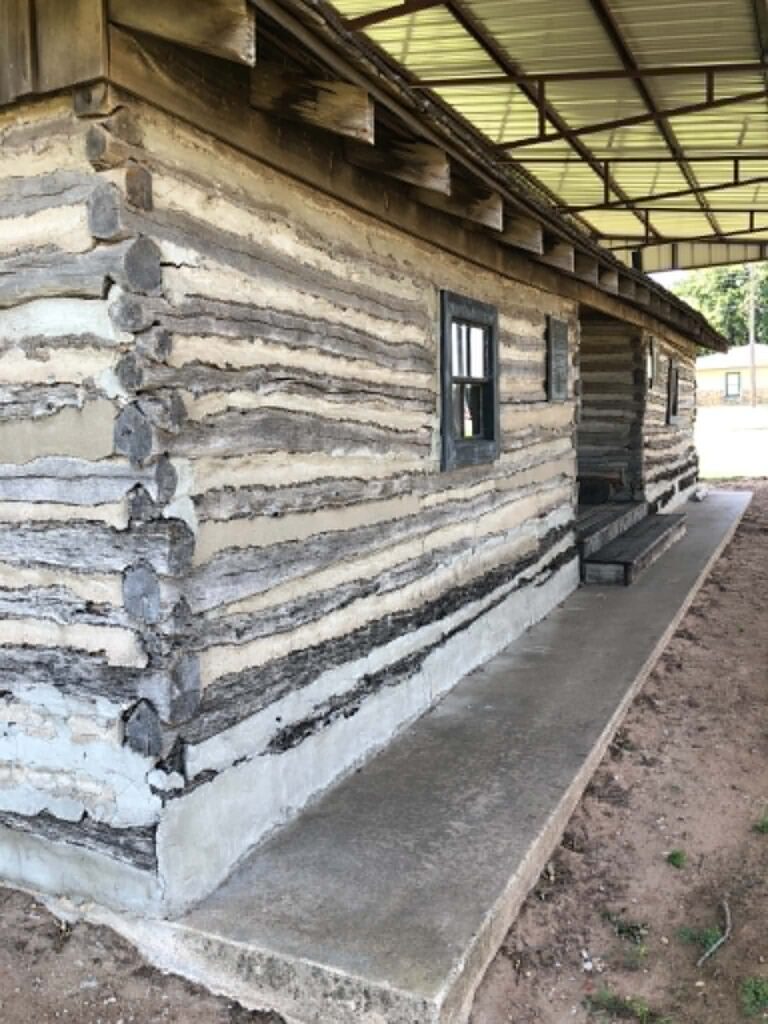
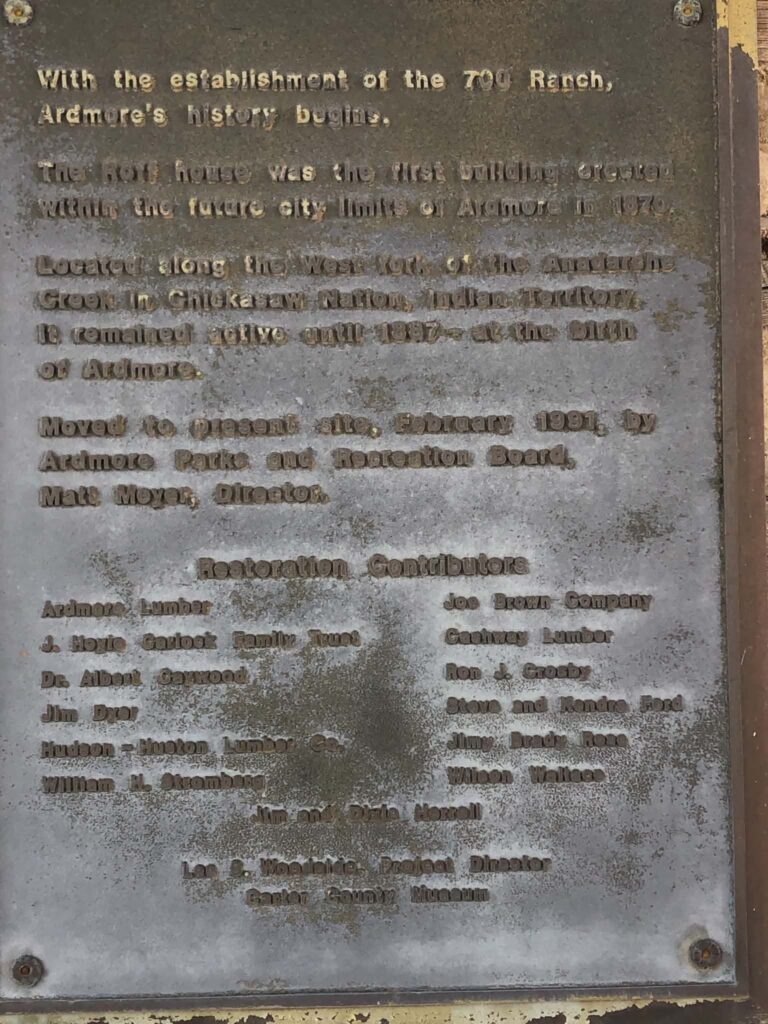
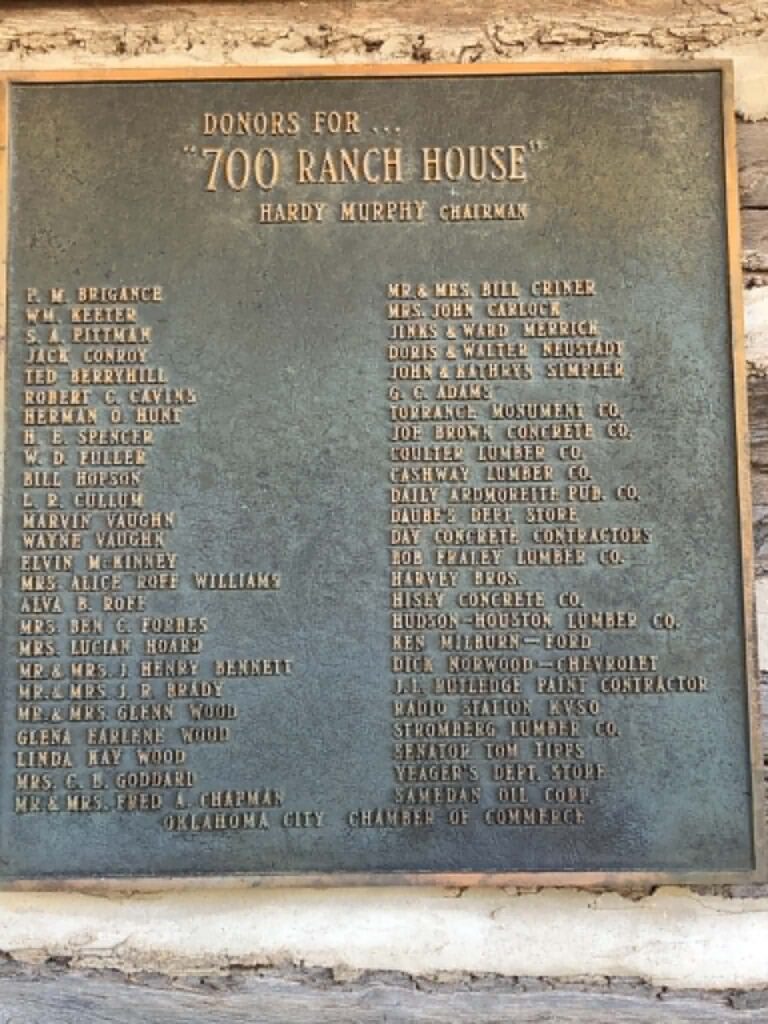
Jerry Cullum was at the old 700 ranch across the street from the Greater Southwest Historical Museum in Ardmore the other day. His grandpa, Lester Cullum, helped on reconstructing it from the original location on G Street SE and 2nd Street when in 1991 it was moved to Sunset Blvd. Lester Cullum’s name is on the plaque. Lester is buried in the McAlister Cemetery south of Ardmore.
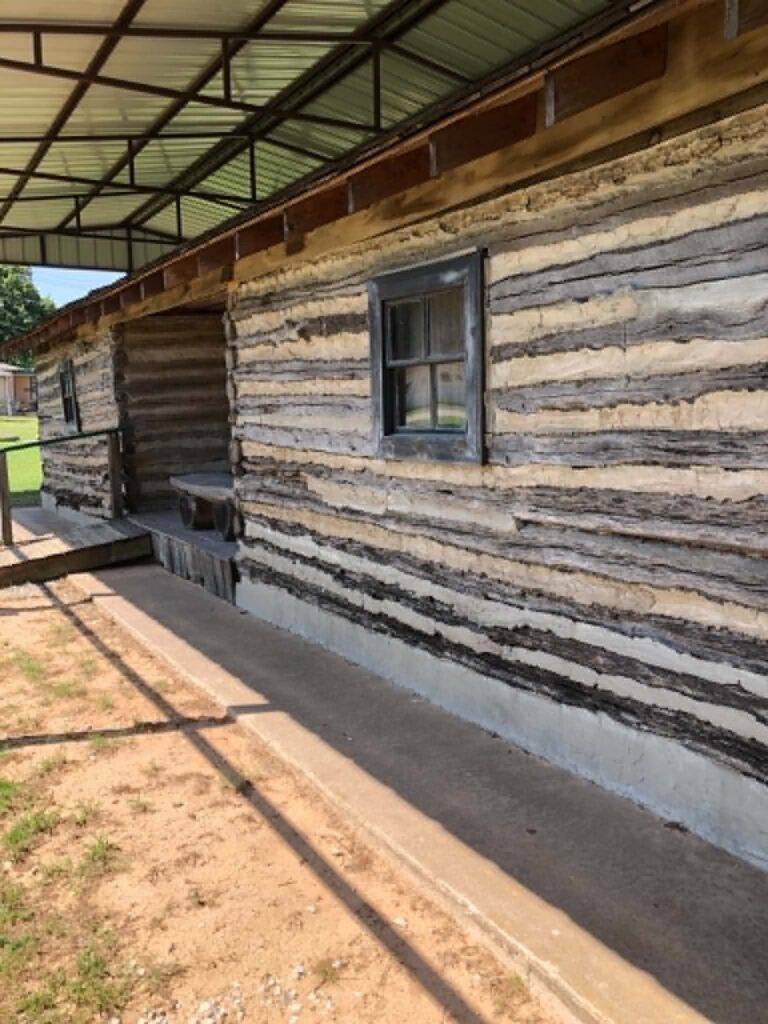
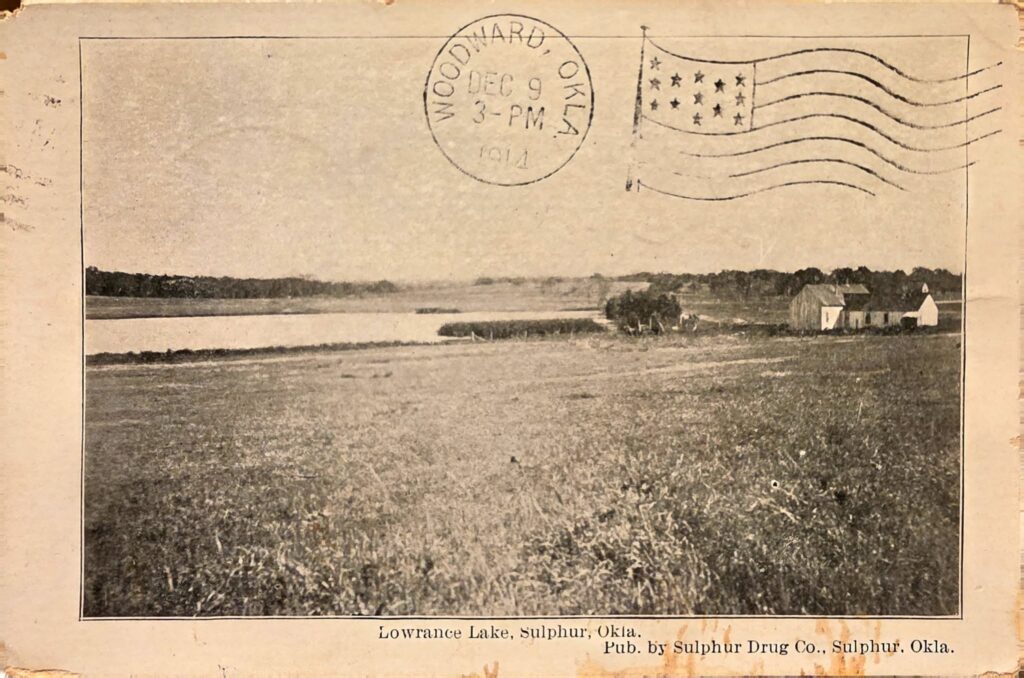
Below is Lowrance Lake 3.5 miles south of Sulphur and on the east side of Highway 177. The cabin you see was almost gone in the early sixties.
Rhett Lathum sent in a 1960/1970s group photo of the crew at Stromberg-Carlson plant a the Ardmore Airpark this week. Rhett’s grandmother, Jet Lathum, is number 25 in the group. He’s wondering if anyone recognizes any of the other workers in the photo.
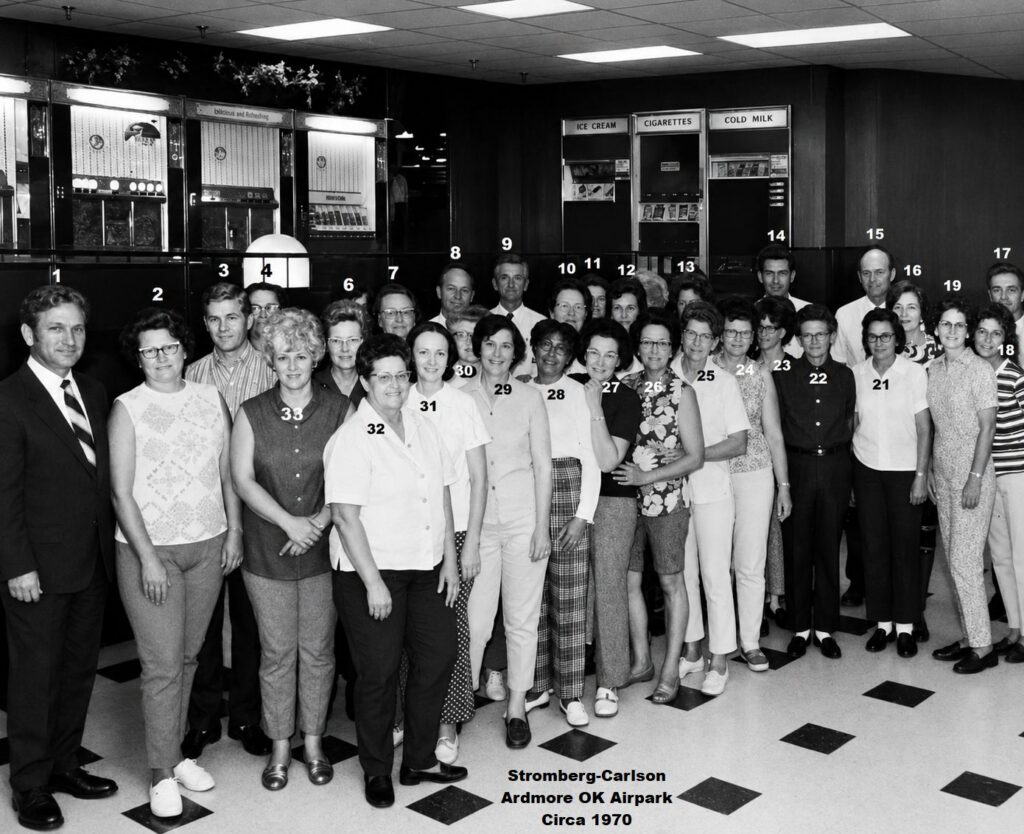
Stromberg-Carlson (which operated as a division of General Dynamics at the time) established its facility at the airpark in 1965–1966, where hundreds of local residents worked over the years assembling and supervising the production of electronic telecommunications and telephone relay equipment. The plant operated there until it closed its doors in the 1970s. One employee, (Josephine Yvonne Kerley) worked 17 years and was among the final two when it closed.
John G. Miller (1922-2010) of Ardmore was plant manager
From This Weeks Mailbag
We had 4 inches of snow one day last week. Two weeks ago we had two nights of freezing weather. Since then our temperatures have been in the 60s during the day and 40s at night. Very pleasant. Dana Pruitt Boyd was in my high school class of 1965. Byrd Pruitt used to buy gas at my dad’s service station located on US 70 next to the Willow Club and across the road from the Skyview Drive In. I would usually see her at the station in the evening at the end of her work day. I admired her for her work ethic. -Monroe in Big Sky, Montana
Seems like there was a merry-go-round and monkey bars at the old park
that was at the dead-end road north of the Greater Southwest Historical museum. There was also a large empty metal tank that was left-over from when this was a sewage processing area. I would take my dog there back-in-the-day. You had to park at the gate and walk under it. My dog loved this area to run around in and explore. There was also one at Whittington Park and the old fairground area where the zoo used to be. Remember the zoo, if you could call it that ?! Those poor animals had cages way too small for them. See if anybody knows what happened to these animals, especially the bear and lion. -Steve Miller (like the band)
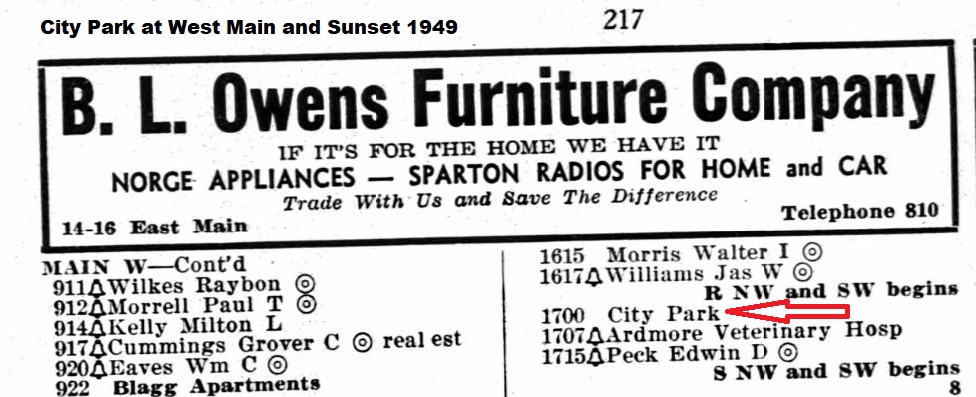
Additional Note: There was a City Park at the far north end where Sunset Blvd stops, West Main and Sunset (originally called S Street). The park never really mounted to much, seldom any visitors.
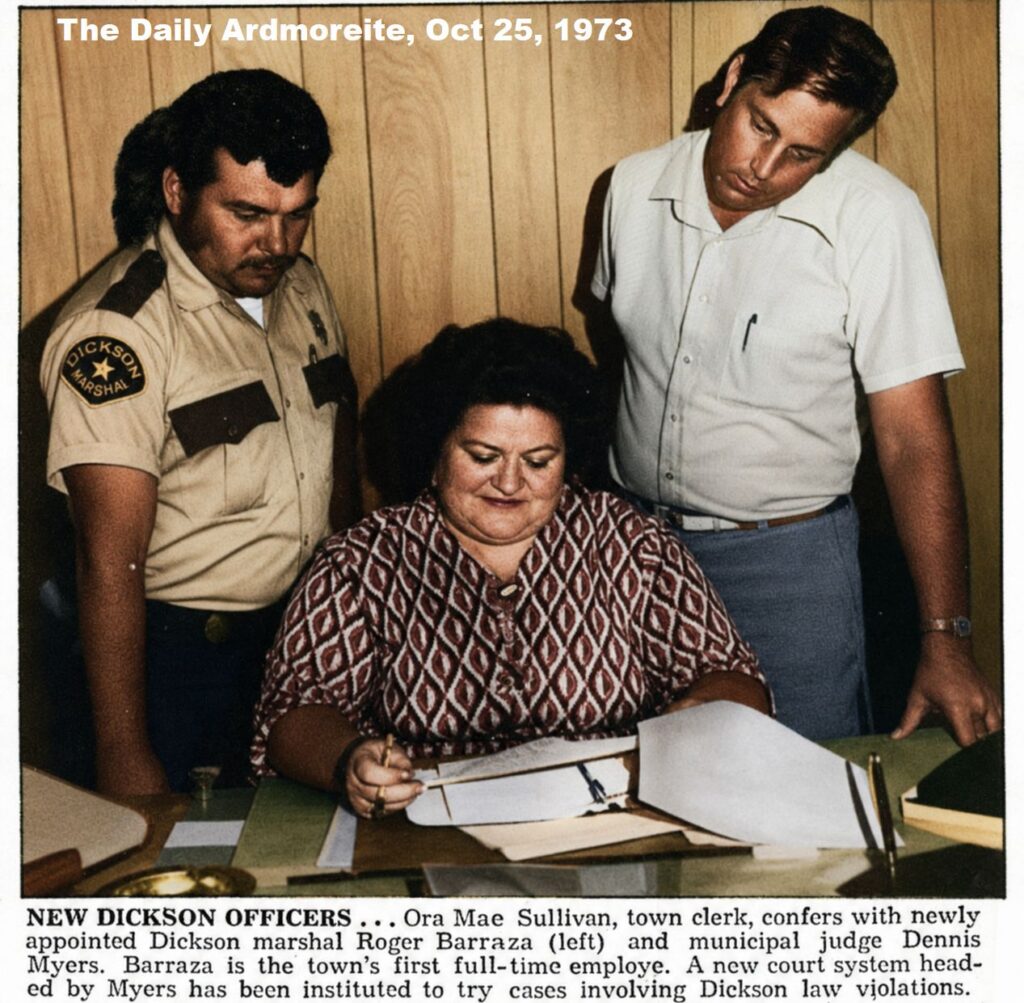
Dennis Myers was my dad, he and marshal Roger Barraza were friends, I was friends with his son Roger Barraza Jr. We went and visited them in Laredo, Texas one time after they moved back south. We owned the only store in Dickson at the time in the early 70s. Ora Mae bought the building when we sold out and moved it behind her house to be used as a day care facility. The Kings a new store where ours was at the end of Old Hwy 18 (Comet Road) on the south side of Hwy 70 (Hwy 199). -Heath Myers
It’s so hot I put everything off. Hot weather is the mother of procrastination. My energy is at ebb tide. I’m getting calorically stupid. Tried to read… Mind stumbled on a ponderous peroration and fell in between two paragraphs and lay unconscious for ten minutes. ~Thomas Edison, diary, 1885
See everyone next week!
Butch and Jill Bridges
Ardmore Oklahoma
580-490-6823
https://oklahomahistory.net